Max's Lake Trip
- valleyandridgemag
- Aug 14, 2025
- 2 min read


Max, a spirited Labrador, could hardly contain his excitement as his family unpacked the car at the lake. The sun shimmered on the water, and he knew it was his favorite time of year—swimming season. But while Max’s tail wagged at lightning speed, his owners knew that even water-loving dogs need careful supervision to stay safe.
Any outdoor trip should begin with some tick prevention as ticks are very abundant in our area in the summer months and only one bite could lead to chronic issues for our furry friends. If your day trip involves swimming, our friends at Four Paws in Chester recommend you opt for a salve with essential oils that will not rinse off easily or a flea and tick collar.
Contrary to popular belief, not all dogs are natural swimmers. While breeds like retrievers often take to water instinctively, others—such as Bulldogs, Pugs, and Dachshunds—can struggle due to short snouts, dense bodies, or limited mobility. Even strong swimmers like Max can tire quickly, especially in open water. That’s why veterinarians recommend canine life vests as a key safety measure. These vests provide buoyancy, improve visibility with bright colors, and feature a handle so owners can lift a dog out of the water in an emergency.
At pools, teaching dogs where the steps are or using a pet-safe .
ramp can prevent panic and drowning. In lakes and rivers, watch for hazards like steep drop-offs, tangled weeds, or strong currents.
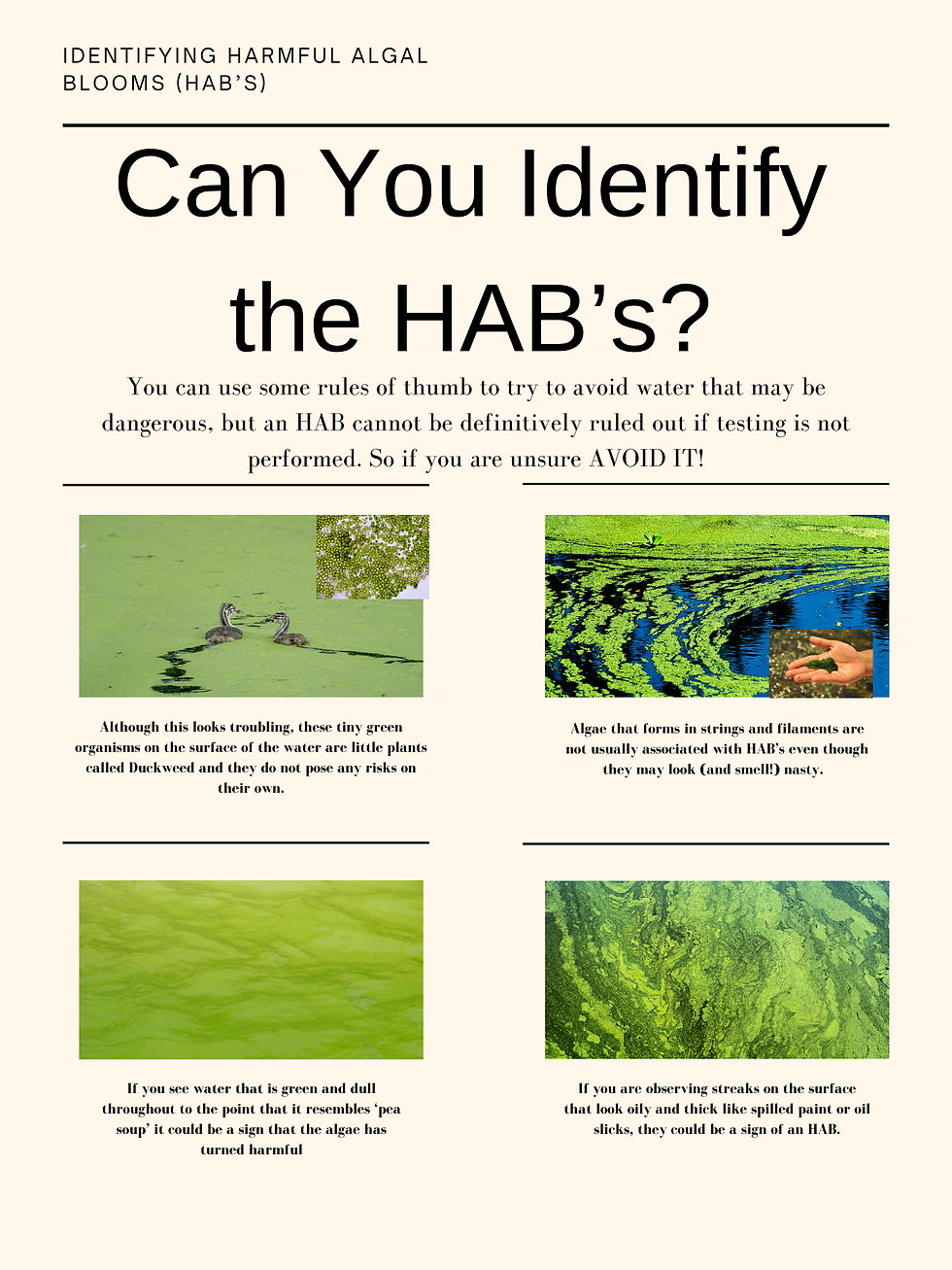
Warm weather also brings blue-green algae blooms, which are highly toxic if ingested. Symptoms of algae poisoning can include vomiting, weakness, or even seizures—prompt veterinary care is critical. At the beach, saltwater ingestion is another risk. Drinking ocean water can cause dehydration or salt toxicity in dogs, so always provide fresh water and encourage breaks in the shade.
After swimming, veterinarians recommend rinsing your dog’s coat to remove chlorine, salt, or bacteria, and thoroughly drying their ears to help prevent infections like otitis externa. It’s also important to monitor for water intoxication, a rare but life-threatening condition caused by swallowing too much water during play. Signs include bloating, lethargy, loss of coordination, and confusion.
Later that evening, Max snoozed happily in the shade, still damp from his adventures. His family smiled, knowing their careful planning had made his day of swimming safe and joyful. Whether your dog is like Max—eager to dive in—or one who prefers to dip a cautious paw, a little preparation goes a long way toward ensuring every summer splash is a safe one.


Comments